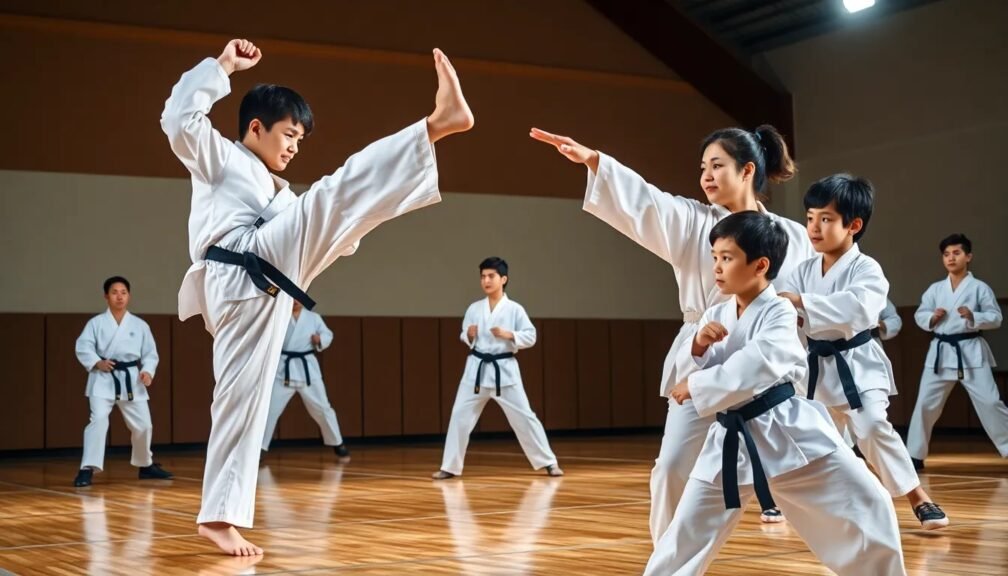
In today’s fast-paced world, fostering health and wellness among teenagers is more critical than ever. With the rise of sedentary lifestyles and increasing screen time, youth fitness centers are stepping up as vital spaces for empowerment and growth. These centers not only promote physical fitness but also focus on mental well-being, creating a holistic environment for teenage development. This article delves into how a youth fitness center can significantly enhance the health and wellness of adolescents, offering actionable insights for parents, teens, and community leaders.
The Importance of Youth Fitness
Understanding Teen Health Challenges
Teenagers face a plethora of health challenges in the modern age. Obesity rates are climbing, mental health issues are prevalent, and the importance of physical activity is often underestimated. According to the Centers for Disease Control and Prevention (CDC), only 24% of high school students get the recommended amount of physical activity. Youth fitness centers can play a pivotal role in changing these statistics by providing a structured environment for exercise and personal growth.
Physical Health Benefits
1. Combatting Obesity: Engaging in regular physical activity at a youth fitness center can significantly reduce the risk of obesity. Programs tailored for teens focus on aerobic exercises, strength training, and flexibility workouts—all essential for burning calories and building muscle.
2. Boosting Immune Function: Consistent exercise improves an individual’s immune response, resulting in fewer sick days and better overall health—a win for both teens and parents.
Mental Health Benefits
1. Reducing Anxiety and Depression: Physical activity releases endorphins (the body’s natural mood elevators), which can reduce feelings of anxiety and depression, offering mental relief during tumultuous teenage years.
2. Improving Self-Esteem: Engaging in fitness activities at a youth fitness center helps teens set and achieve goals, leading to increased self-worth and confidence.
The Role of Youth Fitness Centers
Creating a Supportive Environment
One of the significant advantages of a youth fitness center is the positive, encouraging environment designed specifically for young people. Teens are often more inclined to participate in physical activities with peers who share similar interests and challenges.
1. Peer Accountability: Working out alongside friends helps teens be more accountable for their fitness goals, motivating each other to remain consistent.
2. Expert Guidance: Youth fitness centers typically employ certified trainers and instructors who specialize in working with teenagers. This expertise ensures that teens are guided in a safe and effective manner, helping them understand proper techniques while promoting injury prevention.
Customizing Fitness Programs
Youth fitness centers offer a range of programs tailored to diverse interests and fitness levels. Whether a teen is a budding athlete, an occasional gym-goer, or someone entirely new to fitness, options abound:
1. Group Classes: Options like Zumba, kickboxing, yoga, or martial arts not only provide great workouts but also foster social interaction.
2. Individual Training: For those who prefer a more personal approach, one-on-one training sessions can be customized to meet specific fitness goals or overcome personal barriers.
Nutrition: A Complement to Fitness
The Role of Nutrition Education
Physical activity is just one half of the health equation; proper nutrition is equally essential. Many youth fitness centers offer nutrition workshops to educate teens on the importance of healthy eating.
1. Understanding Nutritional Needs: Teens have unique nutritional requirements, and youth fitness centers can help them understand how to fuel their bodies for optimal performance.
2. Promoting Healthy Eating Habits: Workshops can equip teens with the tools needed to make better food choices, encouraging habits that will last a lifetime.
Snack Options for Active Teens
-
Protein-Packed Smoothies: Blending fruits with protein powder or yogurt can create a delicious post-workout snack.
-
Veggies and Hummus: A quick and healthy option that provides fiber and protein to keep energy levels high.
-
Whole Grain Wraps: Filled with lean proteins and lots of veggies, these make for great on-the-go meals.
Building Community Connections
Engage with Local Services
Youth fitness centers often collaborate with local schools, sports teams, and health organizations, creating a community-focused approach to teen health. These partnerships enhance access to resources, workshops, and events that can attract more youths to fitness.
1. School Programs: After-school programs that incorporate physical activity can keep teens engaged and active, making it easier for them to participate.
2. Health and Wellness Workshops: Collaborations with nutritionists, psychologists, and fitness experts can provide a well-rounded understanding of health, bridging the gap between physical fitness and overall well-being.
Actionable Insights for Parents and Teens
How Parents Can Support Teen Fitness
-
Promote Open Communication: Encourage your teenager to discuss their fitness goals and preferences.
-
Participate Together: Join your teen in workouts or fitness classes to foster teamwork and make exercising a family activity.
-
Be Informed: Help your teen explore local youth fitness centers, comparing programs and costs to find the best fit.
Encouraging Teens to Take Initiative
-
Set Personal Goals: Encourage your teen to set achievable fitness goals, whether it’s running a mile or improving their stamina.
-
Explore Interests: Give them the freedom to explore various classes or clubs within the fitness center, allowing them to engage in what they love.
-
Acknowledge Progress: Celebrate milestones, no matter how small, to motivate continuous effort in their fitness journey.
Conclusion: The Path Forward
Youth fitness centers are more than just gyms; they are lifelines to better health and wellness for teenagers. By providing a supportive, knowledgeable environment, these centers help teens unlock their potential, both physically and mentally. Encouraging regular physical activity, nutrition education, and community engagement equips our youth with the necessary tools to thrive.
As parents, caregivers, and community members, fostering an active lifestyle and healthy habits in our teens can have far-reaching positive effects. Let’s take the initiative to support our youth in embracing fitness as a lifestyle choice, using centers designed just for them—after all, a fit teenager is a happier, healthier teenager.
By engaging with a youth fitness center, we invest not just in our teenagers’ present health, but also in their future.