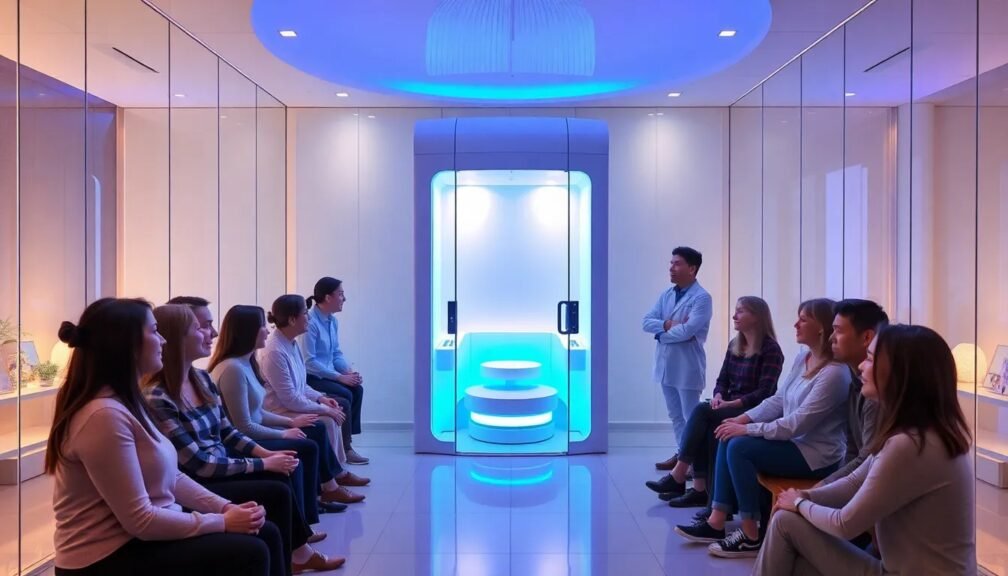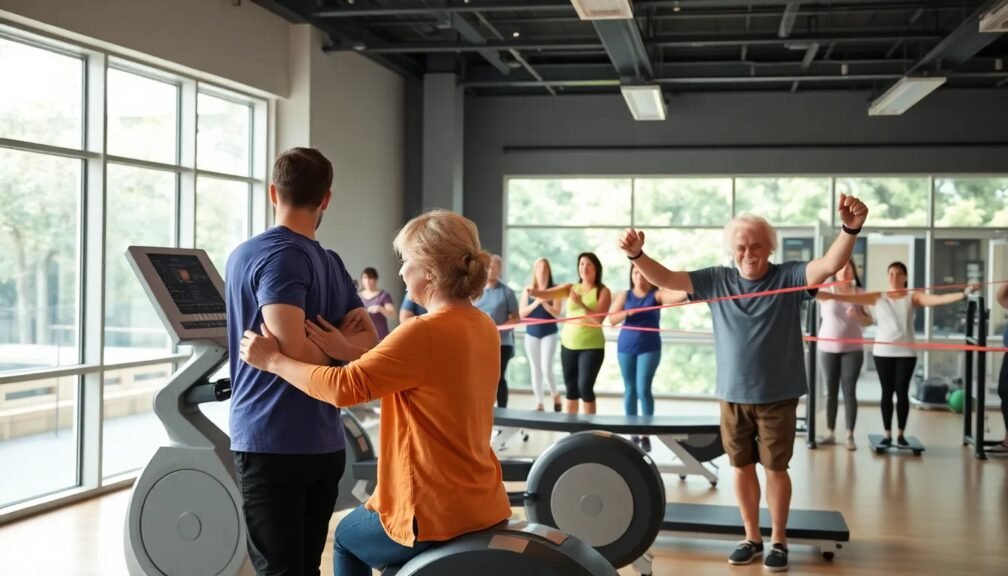
In today’s fast-paced world, injuries and physical ailments can happen when we least expect them. Whether you’re recovering from surgery, dealing with chronic pain, or wanting to regain strength after a sports injury, the road to recovery can often feel overwhelming. This is where a rehabilitation gym becomes more than just a fitness facility; it becomes a sanctuary for healing, a place to regain your strength, and a community supporting your recovery journey.
Understanding Rehabilitation Gyms
What is a Rehabilitation Gym?
A rehabilitation gym is a specialized facility designed to help individuals recover from injury or surgery through targeted exercises, physical therapy, and wellness programs. Unlike traditional gyms, rehabilitation gyms focus primarily on therapy and functional recovery, using specialized equipment tailored to meet varied needs.
The Importance of Personalized Recovery
In a rehabilitation gym, each program is typically customized based on an individual’s specific conditions or recovery objectives. Experienced therapists and trainers assess your needs and collaboratively develop a rehabilitation plan that best suits your situation. This personalized approach is vital in ensuring efficient recovery and optimal outcomes.
The Benefits of Joining a Rehabilitation Gym
1. Expert Guidance
At a rehabilitation gym, you work with skilled physical therapists and trainers who specialize in rehabilitation. Their expertise ensures you perform exercises correctly and safely, minimizing the risk of further injury. They continuously monitor your progress and adapt your program as needed, providing a supportive learning environment.
2. Enhanced Recovery Speed
Combining professional guidance with specialized equipment expedites your recovery journey. As you build strength and flexibility, you’ll notice improvements more quickly than you might in a conventional fitness setting. Structured programs in a rehabilitation gym are designed to target the specific areas needing attention, effectively optimizing recovery.
3. Access to Specialized Equipment
Rehabilitation gyms often have equipment specifically designed for improving mobility and strength in rehabilitative contexts. From resistance bands to balance boards and therapeutic machines, these tools can significantly aid your recovery process.
4. Psychological Support
Recovering from an injury can be mentally taxing. Being surrounded by trained professionals and fellow individuals on their recovery paths offers emotional support that can be crucial for motivation. Motivational group classes and one-on-one sessions create a community feeling that can uplift your spirit.
Common Types of Rehabilitation Programs
Orthopedic Rehabilitation
Orthopedic rehabilitation focuses on recovery from bone, joint, or muscle injuries. Protocols may involve post-surgical recovery, tendonitis treatment, or arthritis management. When you attend orthopedic rehabilitation at a gym, expect tailored exercises designed to restore movement, strength, and stability.
Neurological Rehabilitation
For individuals recovering from strokes, traumatic brain injuries, or neurological disorders, specific interventions in a rehabilitation gym provide essential support. These programs often focus on regaining coordination, balance, and cognitive skills through engaging exercises.
Sports Rehabilitation
Athletes, whether professionals or amateurs, can benefit immensely from sports rehabilitation programs. Rehabilitation gyms trained in sports injuries address injuries specific to various athletic pursuits. They not only focus on recovery but also work to enhance performance and reduce the risk of re-injury.
Cardiac Rehabilitation
For those recovering from heart surgery or cardiovascular problems, rehabilitation gyms offer specialized programs focused on safe physical activity that strengthens the heart and improves overall fitness. These programs often include monitoring your heart rate and blood pressure during exercises.
Finding the Right Rehabilitation Gym for You
Assess Your Needs
Begin by identifying your specific recovery goals—are you recovering from surgery, an injury, or a chronic condition? Knowing your needs will help in selecting a rehabilitation gym that is appropriately equipped.
Research Qualifications
Look for facilities staffed by licensed and experienced professionals. Certifications from organizations such as the American Physical Therapy Association (APTA) indicate credible expertise in rehabilitation.
Check Facility Offerings
Ensure the rehabilitation gym you choose offers the types of programs you’re interested in. Some facilities might specialize in sports rehab, while others may focus more on postoperative care.
Evaluate Environment
A comfortable, welcoming atmosphere can greatly enhance your rehabilitation experience. Visit the gym and assess whether it’s clean, well-maintained, and has available equipment tailored to your rehabilitation needs.
Busting Common Myths About Rehabilitation Gyms
Myth 1: Rehabilitation Gyms Are Only for Severe Injuries
Many people think rehabilitation gyms are only for severe injuries or surgeries. However, they cater to a wide range of clients, including those with chronic pain or minor injuries looking to maintain a healthy lifestyle.
Myth 2: You Need a Doctor’s Referral
While a doctor’s referral can sometimes be beneficial, many rehabilitation gyms accept clients directly. Consult the gym for their admission policies and see how you can initiate your journey.
Myth 3: It’s Just About Physical Exercises
Though physical exercises are the cornerstone of rehabilitation, therapy often includes education about body mechanics, pain management, and lifestyle changes, all geared toward optimizing recovery.
Making the Most of Your Rehabilitation Journey
Set Clear, Achievable Goals
Before starting your program, set specific, measurable, and time-bound goals. Communicate these with your therapist to create a focused rehabilitation plan. Goals such as “I want to walk without assistance in six weeks” provide a powerful motivating factor.
Stay Consistent
Consistency is vital in rehabilitation. Attend sessions regularly, follow through on exercises prescribed at home, and maintain open communication with your therapists regarding progress or challenges.
Celebrate Small Victories
Recovery can be lengthy and challenging. Celebrate small milestones—each step taken, every ounce of strength regained. This encourages positivity and motivation, keeping the spirit of recovery alive.
Conclusion: Begin Your Transformation Today
Investing time and effort into your recovery through a rehabilitation gym can significantly impact your physical fitness and mental wellbeing. With personalized programs guided by experts, specialized equipment, and a supportive community, you’ll find yourself on an accelerated path to recovery.
Your journey begins now—take the first step towards transforming your recovery today. Reach out to a rehabilitation gym near you, set your goals, and embrace the opportunity for change. Remember, your road to recovery is not just an endgoal; it is a transformation towards a healthier, vibrant you!