In a world that increasingly prioritizes fitness and wellness, the significance of a physical therapy gym cannot be overstated. Whether you are recovering from an injury, looking to improve your physical performance, or seeking to enhance your overall well-being, a physical therapy gym offers unparalleled resources and expertise designed to help you unlock your body’s full potential. This article will explore what a physical therapy gym entails, its benefits, services offered, common conditions treated, and actionable insights to maximize your experience.
What is a Physical Therapy Gym?
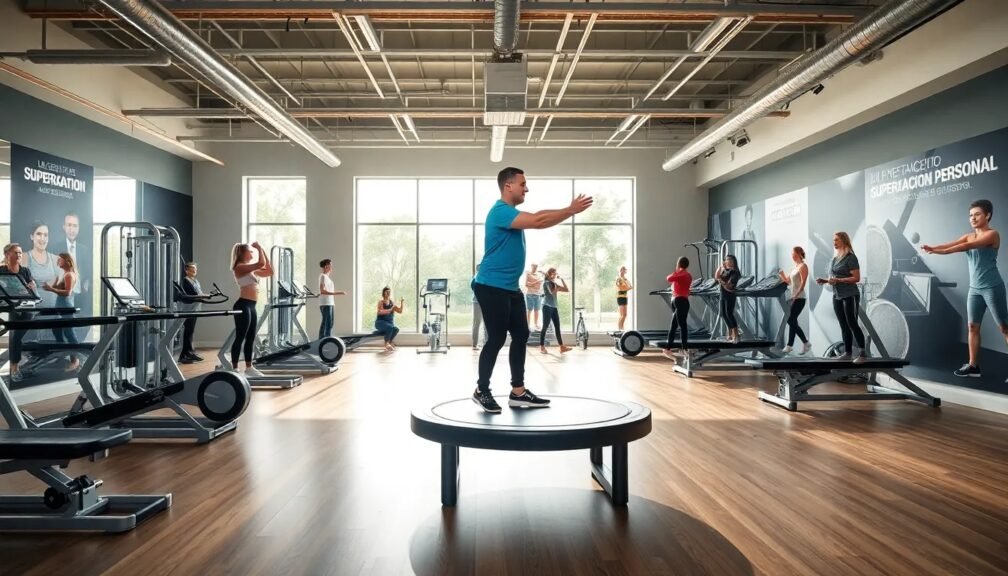
A physical therapy gym is a specialized facility that combines the principles of rehabilitation and fitness training. Unlike traditional gyms, where the focus is primarily on weightlifting and cardio workouts, physical therapy gyms provide a comprehensive approach designed by licensed physical therapists. These facilities are equipped with state-of-the-art machines, therapeutic exercise equipment, and a variety of tools tailored to assist individuals in recovering from injuries and enhancing their physical capacities.
The Unique Environment of a Physical Therapy Gym
Physical therapy gyms are designed to create an environment conducive to healing and performance. Typically open to clients of all fitness levels, these spaces are:
- Welcoming: Unlike conventional gyms, the atmosphere is less intimidating and more supportive.
- Educative: Physical therapists and trainers often provide education on proper techniques and body mechanics.
- Customized: Programs are tailored to meet the individual needs of patients based on their specific conditions and goals.
Benefits of a Physical Therapy Gym
Investing your time in a physical therapy gym offers numerous benefits, including:
1. Specialized Expertise
One of the main advantages of a physical therapy gym is the access to licensed professionals who are trained in biomechanics, anatomy, and rehabilitation techniques. Their expertise ensures that the exercises prescribed are safe, effective, and tailored to individual needs.
2. Enhanced Recovery
After an injury or surgical procedure, a structured recovery plan is crucial. Physical therapy gyms provide personalized rehabilitation programs that incorporate both therapy and fitness training to accelerate recovery and restore functional movement.
3. Injury Prevention
While traditional gyms focus on muscle building and cardio performance, physical therapy gyms emphasize injury prevention strategies. By understanding your body’s mechanics, you can reduce the risk of future injuries through targeted exercises.
4. Holistic Approach
These gyms focus on the whole person rather than just the physical symptoms. By integrating therapeutic practices with physical training, you can address underlying issues contributing to pain or dysfunction.
5. Improved Mobility and Flexibility
Many individuals struggle with mobility issues, which can significantly impact their daily life. A physical therapy gym prioritizes exercises designed to improve range of motion, flexibility, and strength.
Services Offered at a Physical Therapy Gym
Physical therapy gyms offer a variety of services aimed at rehabilitation and performance enhancement. Some of these include:
1. Personalized Assessment
Your journey typically starts with an initial assessment by a physical therapist, who will evaluate your strength, flexibility, and physical limitations. This assessment informs a customized treatment plan.
2. Therapeutic Exercises
These exercises are tailored to address specific conditions such as:
- Joint pain
- Chronic back pain
- Post-surgical rehabilitation
- Sports injuries
3. Manual Therapy
Many physical therapy gyms incorporate manual therapy techniques that include massage, manipulation, and mobilization to alleviate pain and restore function.
4. Functional Training
Physical therapy gyms often utilize functional training to help clients regain the skills needed for daily activities—whether it’s lifting, reaching, or walking. This training mimics everyday tasks, making rehabilitation more practical.
5. Educational Workshops
Many facilities offer workshops and classes that aim to educate clients about body mechanics, injury prevention, and progressive strength training.
Common Conditions Treated
Physical therapy gyms are equipped to address a range of conditions, including, but not limited to:
- Musculoskeletal injuries: Sprains, strains, fractures, and tendonitis.
- Neurological conditions: Stroke, multiple sclerosis, and Parkinson’s disease.
- Post-operative rehabilitation: Recovery after surgeries like joint replacements or repairs.
- Chronic pain conditions: Fibromyalgia, arthritis, and tension headaches.
- Sports-related injuries: ACL tears, rotator cuff injuries, and runner’s knee.
How to Choose the Right Physical Therapy Gym
Choosing the right physical therapy gym can be a game-changer in your recovery and fitness journey. Here are some factors to consider:
1. Credentials and Qualifications
Ensure that the gym employs licensed physical therapists with relevant qualifications. Look for certifications and continuing education that indicate advanced skills.
2. Range of Services
Assess whether the gym offers a comprehensive range of services that align with your specific needs. Some gyms may focus more on rehabilitation, while others might emphasize strength training or both.
3. Equipment and Facilities
Tour the facility to check for state-of-the-art equipment and a clean, welcoming environment. A well-equipped gym enhances the quality of care you receive.
4. Client Reviews and Testimonials
Research reviews and testimonials from past clients. Positive feedback can provide insights into the effectiveness of their programs and the professionalism of their staff.
5. Accessibility and Location
Consider the gym’s hours of operation and its location concerning your home or work. Consistency is essential for rehabilitation, and an easily accessible gym can facilitate attendance.
Actionable Insights to Maximize Your Experience
To fully benefit from your visits to a physical therapy gym, consider these actionable tips:
1. Set Clear Goals
Start with specific, measurable, achievable, relevant, and time-bound (SMART) goals. Your physical therapist can help you refine these to ensure they are realistic and challenging.
2. Stay Committed
Recovery takes time. Make a commitment to attend all scheduled sessions and follow along with any home exercises prescribed by your therapist.
3. Communicate Openly
Be honest about your pain levels, concerns, and progress. Open communication fosters a better therapeutic relationship and ensures the best treatment plan.
4. Educate Yourself
Take advantage of educational resources offered by the gym. Understanding your body will empower you and bolster your commitment to recovery.
5. Embrace Patience
Recovery doesn’t happen overnight. Celebrate small victories and focus on long-term progress rather than immediate results.
Conclusion
A physical therapy gym is an essential resource in the journey to unlocking your body’s full potential. By providing specialized therapy, personalized care, and a supportive environment, these gyms not only facilitate recovery from injuries but also promote an active lifestyle aimed at preventing future issues. Whether you’re overcoming a chronic issue, recovering from surgery, or simply looking to improve your physical health, engaging with a physical therapy gym could be the key to achieving your fitness goals. Take the first step today, and start unlocking your full potential!