In recent years, the fitness industry has seen a significant shift towards inclusivity and accessibility, recognizing the importance of adaptive fitness centers. These facilities are designed to cater to individuals with disabilities, ensuring that everyone, regardless of physical or cognitive limitations, can engage in physical activity and enjoy the benefits it brings. The concept of adaptive fitness is not merely about modifying exercises; it’s about creating an environment where individuals can thrive, promoting holistic health and well-being. This article explores the importance of adaptive fitness centers, the unique features they offer, and how they are revolutionizing the approach to fitness for people with disabilities.
Understanding Adaptive Fitness
Adaptive fitness refers to a personalized approach to exercise that considers the specific needs and abilities of individuals with disabilities. The goal is to provide safe, effective, and enjoyable workout experiences that enhance physical health, improve mental well-being, and boost self-confidence. Unlike traditional gyms, adaptive fitness centers are equipped with specialized equipment and trained staff who understand the diverse requirements of their clientele.
The Need for Adaptive Fitness Centers
The World Health Organization estimates that over a billion people, about 15% of the world’s population, live with some form of disability. Despite this significant number, many traditional fitness centers lack the facilities or expertise to accommodate these individuals. Adaptive fitness centers fill this gap by providing an inclusive environment where people with disabilities can work out without facing physical or social barriers. These centers promote equality, empowerment, and independence, allowing individuals to pursue their fitness goals alongside their peers.
Features of an Adaptive Fitness Center
Adaptive fitness centers are designed with specific features to accommodate a wide range of disabilities. These features focus on accessibility, safety, and inclusivity.
Accessible Equipment
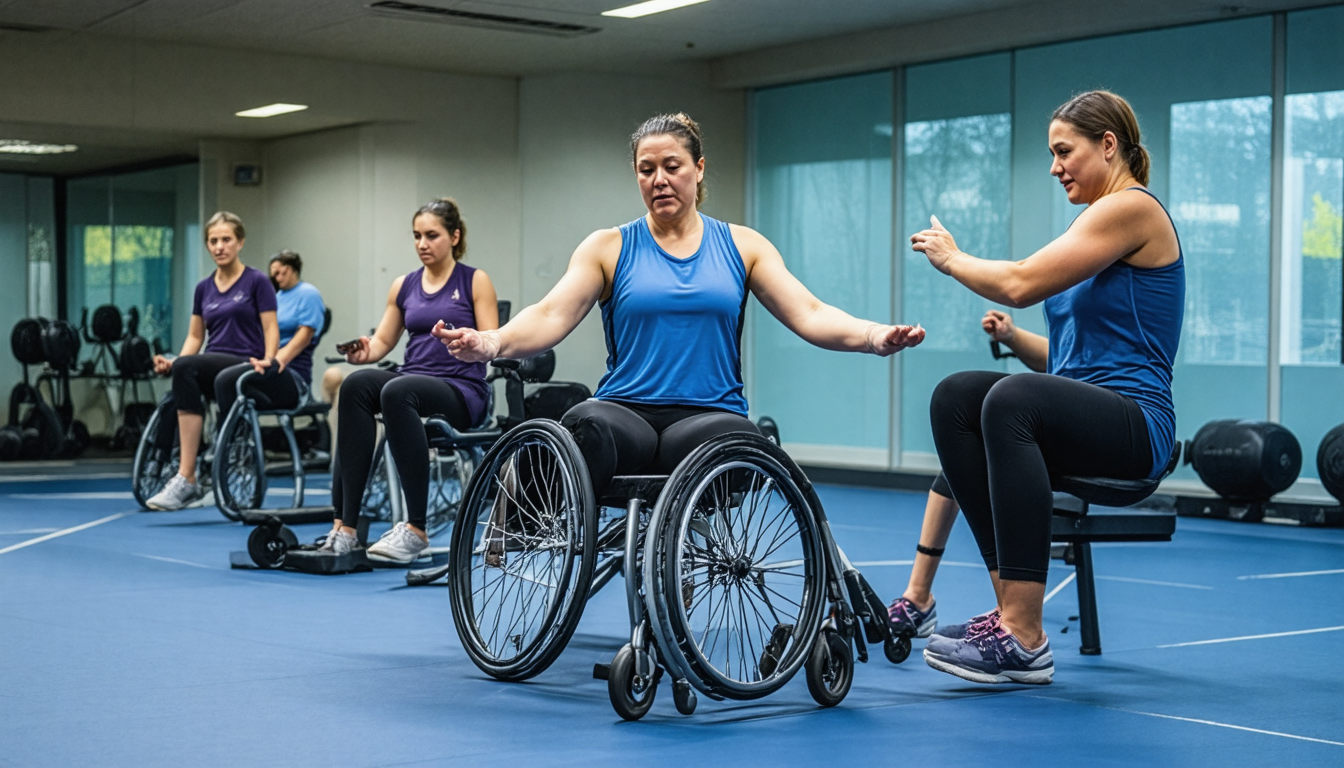
One of the key features of adaptive fitness centers is the availability of accessible equipment. Traditional gym machines are often not designed with wheelchairs or other mobility aids in mind. Adaptive centers offer specialized equipment such as adjustable benches, hand cycles, and wheelchair-accessible strength machines. These facilities ensure that individuals can perform a full range of exercises safely and comfortably.
Trained Staff
Staff at adaptive fitness centers are trained to understand the unique needs of individuals with disabilities. They provide personalized exercise plans, offer support during workouts, and ensure that exercises are performed correctly to prevent injury. This personalized attention is crucial in building confidence and encouraging regular physical activity.
Inclusive Programs
Adaptive fitness centers offer a variety of programs tailored to different abilities and interests. These may include group classes, personal training sessions, and workshops focused on specific skills or goals. Programs are designed to be fun, engaging, and accessible, promoting social interaction and community building among participants.
Safe and Supportive Environment
Safety is a top priority in adaptive fitness centers. The facilities are designed to minimize the risk of accidents, with features such as non-slip flooring, ample space for maneuvering, and appropriate signage. Additionally, these centers foster a supportive and welcoming atmosphere, where individuals feel comfortable and motivated to pursue their fitness journey.
Benefits of Adaptive Fitness
Engaging in regular physical activity offers numerous benefits for people with disabilities. Adaptive fitness centers play a crucial role in facilitating these benefits by providing tailored exercise options and supportive environments.
Physical Health Benefits
Regular exercise improves cardiovascular health, increases strength and flexibility, and enhances overall physical fitness. For individuals with disabilities, adaptive fitness can also help manage conditions such as obesity, diabetes, and hypertension. By promoting regular physical activity, adaptive fitness centers contribute to improved health outcomes and a higher quality of life.
Mental Health and Well-being
Exercise is known to have positive effects on mental health, reducing symptoms of depression and anxiety while boosting mood and self-esteem. For individuals with disabilities, participating in adaptive fitness programs can provide a sense of accomplishment and empowerment. The social aspect of these centers also helps combat isolation and fosters a sense of community and belonging.
Independence and Empowerment
Adaptive fitness centers empower individuals with disabilities by promoting independence and self-reliance. By providing the tools and support needed to pursue fitness goals, these centers help individuals build confidence and take control of their health and well-being. This empowerment extends beyond the gym, positively impacting other areas of life.
Challenges in Adaptive Fitness
Despite the many benefits, there are challenges associated with adaptive fitness that must be addressed to ensure its continued success and accessibility.
Limited Availability
One of the main challenges is the limited availability of adaptive fitness centers. Many areas still lack facilities that cater specifically to individuals with disabilities, restricting access to inclusive fitness options. Efforts must be made to increase the number and distribution of these centers to meet the growing demand.
Cost and Funding
Operating an adaptive fitness center can be costly, with expenses related to specialized equipment, facility modifications, and staff training. Funding can be a significant barrier, particularly for non-profit organizations. It is essential to explore funding opportunities and partnerships to support the establishment and maintenance of these centers.
Awareness and Education
Raising awareness about the importance of adaptive fitness is crucial to its success. Many individuals with disabilities are unaware of the options available to them or may feel intimidated by the idea of starting a fitness routine. Education and outreach efforts are necessary to inform the community about the benefits of adaptive fitness and encourage participation.
The Future of Adaptive Fitness
The future of adaptive fitness looks promising, with growing recognition of its importance and increasing efforts to expand access. Technological advancements, such as virtual training platforms and innovative fitness equipment, are also enhancing the capabilities of adaptive fitness centers. By continuing to prioritize inclusivity and accessibility, the fitness industry can ensure that individuals with disabilities have the opportunity to lead active, healthy lives.
Technological Innovations
Technology plays a pivotal role in the evolution of adaptive fitness. Innovations such as virtual reality, wearable fitness trackers, and smart gym equipment are creating new possibilities for personalized and engaging workouts. These technologies allow for customized exercise programs that can be tailored to individual needs and monitored remotely, increasing accessibility for those who may not be able to visit a gym regularly.
Community and Collaboration
Building a strong community around adaptive fitness is essential for its growth and sustainability. Collaboration between fitness professionals, healthcare providers, advocacy groups, and individuals with disabilities can drive progress and innovation in this field. By working together, these stakeholders can create a more inclusive and supportive fitness environment for all.
Frequently Asked Questions
What is an adaptive fitness center?
An adaptive fitness center is a facility designed to provide inclusive and accessible workout options for individuals with disabilities. These centers offer specialized equipment, trained staff, and tailored programs to accommodate a wide range of abilities and promote overall health and well-being.
How does adaptive fitness benefit individuals with disabilities?
Adaptive fitness offers numerous benefits, including improved physical health, enhanced mental well-being, and increased independence. By providing accessible exercise options and a supportive environment, adaptive fitness centers help individuals with disabilities achieve their fitness goals and improve their quality of life.
What types of equipment are available in adaptive fitness centers?
Adaptive fitness centers are equipped with specialized equipment such as adjustable benches, hand cycles, wheelchair-accessible strength machines, and other tools designed to accommodate various disabilities. This equipment ensures that individuals can perform exercises safely and effectively.
Are there specific programs offered at adaptive fitness centers?
Yes, adaptive fitness centers offer a variety of programs tailored to different abilities and interests. These may include group classes, personal training sessions, and workshops focused on specific skills or goals. Programs are designed to be engaging, fun, and accessible to all participants.
What challenges do adaptive fitness centers face?
Adaptive fitness centers face challenges such as limited availability, high operational costs, and the need for increased awareness and education. Addressing these challenges requires efforts to expand access, secure funding, and promote the importance of inclusive fitness options.
Conclusion
Adaptive fitness centers are transforming the fitness industry by providing inclusive and accessible workout options for individuals with disabilities. These centers play a crucial role in promoting physical health, mental well-being, and empowerment, ensuring that everyone can enjoy the benefits of an active lifestyle. As awareness and demand for adaptive fitness grow, it is essential to continue expanding access, embracing technological advancements, and fostering collaboration among stakeholders. By doing so, we can create a more inclusive and equitable fitness environment that supports the health and happiness of all individuals, regardless of their abilities.