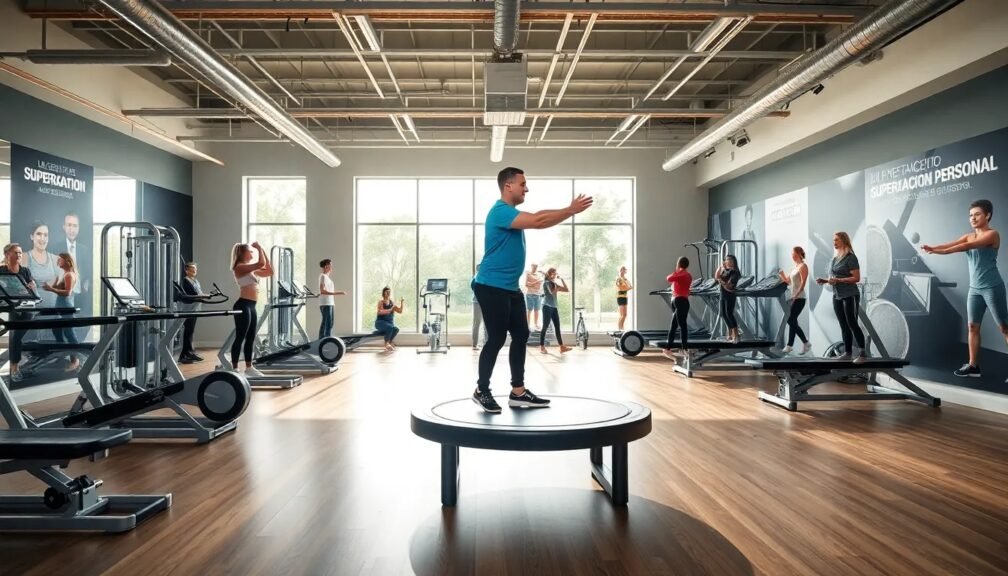
In today’s fast-paced corporate world, maintaining a healthy lifestyle can often take a backseat to the demands of work. However, a corporate fitness center provides the perfect solution for organizations looking to prioritize their employees’ health and well-being while simultaneously enhancing productivity. By creating an environment that promotes physical fitness, companies not only foster a healthier workforce but also cultivate a culture of wellness that can lead to reduced healthcare costs, lower absenteeism, and higher employee satisfaction. In this article, we will explore the numerous benefits of a corporate fitness center and provide actionable insights on how to set one up.
Understanding the Importance of Employee Health
As the saying goes, “a healthy employee is a happy employee.” When employees prioritize their health, they are more energetic, focused, and motivated. Unfortunately, many office workers lead sedentary lifestyles that can lead to a range of health issues, including obesity, heart disease, and mental health problems. A corporate fitness center serves as a proactive approach to combat these issues.
The Link Between Health and Productivity
Studies have consistently shown that healthier employees tend to be more productive. According to a report by the American Journal of Health Promotion, companies with wellness programs, including fitness centers, experience a 25% reduction in health care costs per employee. This translates to fewer sick days, reduced turnover rates, and ultimately, a healthier bottom line.
Benefits of a Corporate Fitness Center
1. Improved Physical Health
A well-equipped corporate fitness center directly contributes to the physical well-being of employees. Offering various fitness classes, gym equipment, and walking tracks encourages employees to remain active throughout the workday. This environment promotes weight loss, cardiovascular health, and muscle strength, reducing the risk of chronic diseases.
2. Enhanced Mental Well-being
Physical activity has been linked to improved mental health outcomes. Engaging in regular exercise can decrease feelings of anxiety and depression, boost mood, and enhance overall mental clarity. A corporate fitness center provides a convenient space for employees to engage in stress-relieving activities, which can lead to improved focus and creativity at work.
3. Increased Employee Engagement
Introducing a corporate fitness center fosters a culture of health and wellness that enhances employee engagement. When employees feel their health is valued, they are more likely to be committed and loyal to their organization. This culture can lead to higher productivity levels and greater job satisfaction.
4. Stronger Team Dynamics
A corporate fitness center can facilitate team-building activities and fitness challenges, promoting collaboration and camaraderie among employees. Group workouts, competitions, and health challenges encourage teamwork and help employees forge stronger relationships, which can positively impact workplace dynamics.
5. Reduction in Healthcare Costs
Investing in a corporate fitness center can lead to significant savings on health insurance premiums. Healthier employees typically incur fewer medical expenses, which means lower costs for the organization. By encouraging preventive care and wellness, companies can minimize their financial burden related to employee health.
Building a Corporate Fitness Center: Step-by-Step Guide
Creating a successful corporate fitness center requires thoughtful planning and execution. Here’s a step-by-step guide to help you launch one that caters to your employee’s needs.
Step 1: Assess Employee Needs
Before diving headfirst into creating a corporate fitness center, it’s essential to assess the specific needs and preferences of your workforce. Conducting surveys or focus groups can provide valuable insights into what types of equipment, programs, and classes employees would find most beneficial.
Step 2: Set a Budget
Your corporate fitness center’s budget will determine the scale and quality of the facility. Consider costs for equipment, maintenance, facility space, and staff. Invest in quality equipment that aligns with the needs identified in the previous step.
Step 3: Choose the Right Location
The location of the corporate fitness center is crucial for its success. Ideally, it should be easily accessible to employees and integrated into the workplace. If space allows, consider dedicated areas for cardio, strength training, and group classes.
Step 4: Equipment and Facilities
Invest in a variety of fitness equipment that meets the diverse needs of employees, including cardio machines, free weights, resistance bands, and mats for yoga. Additionally, incorporate facilities like locker rooms, showers, and lounge areas to enhance the overall experience.
Step 5: Hire Trained Staff
To maximize the effectiveness of your corporate fitness center, consider hiring certified personal trainers and fitness instructors. They can facilitate workshops, leading classes and providing individualized support to employees.
Step 6: Promote Engagement
Once your corporate fitness center is up and running, the next step is to promote engagement. Organize regular fitness challenges, workshops, or wellness events to encourage participation. Communication channels such as newsletters or intranet posts can keep employees informed and motivated.
Step 7: Evaluate and Adjust
Lastly, it’s essential to regularly evaluate the performance and effectiveness of the corporate fitness center. Solicit feedback from employees and make adjustments as necessary to enhance the facility further. By continually improving the experience, you can ensure the fitness center remains a valuable asset.
Overcoming Challenges
While establishing a corporate fitness center may seem daunting, it’s important to recognize potential challenges and address them proactively. Some common hurdles include:
-
Employee Buy-in: Not every employee may be initially enthusiastic about a corporate fitness center. Regularly showcasing benefits through success stories or testimonials can inspire participation.
-
Space Considerations: If office space is limited, consider collaborations with nearby gyms or community centers to create a corporate partnership, offering employees discounted rates.
-
Budget Constraints: Work on a phased approach. Start with basic offerings and gradually expand as engagement and investment grow.
Conclusion: Take Action Today!
Creating a corporate fitness center is a strategic investment in your employees’ health and well-being. The undeniable link between health and productivity makes this initiative not only beneficial for your workforce but also for the organization as a whole. By following the steps outlined in this article, you can build a corporate fitness center that fosters a culture of health, enhances team dynamics, and ultimately boosts your bottom line.
Start your journey toward a healthier workplace today—embrace the opportunity to make a lasting impact on employee wellness and company culture. Remember, the sooner you start, the sooner you can reap the benefits of a fitter, happier, and more engaged workforce.