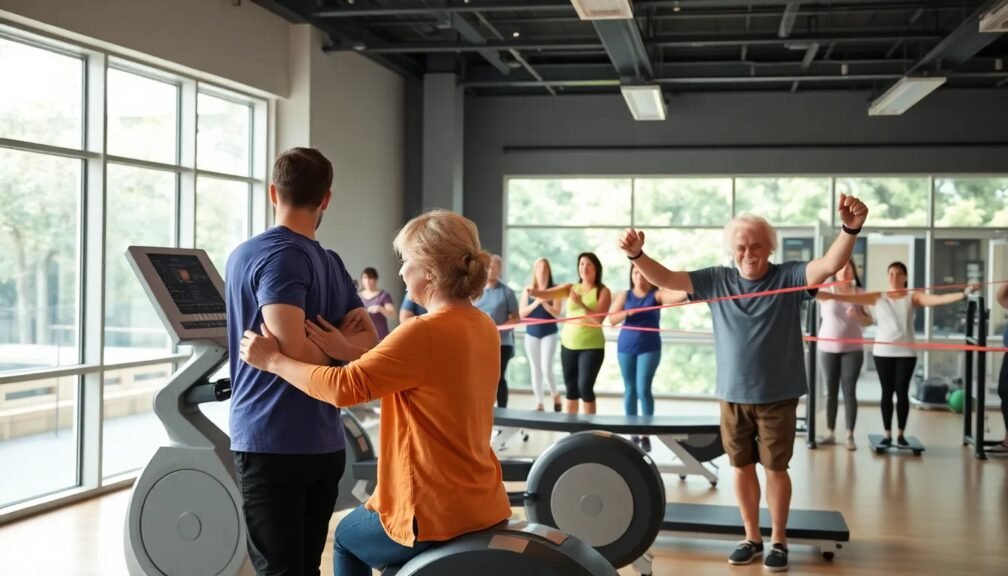
Injuries can sideline even the most dedicated athlete. Yet, returning to peak performance doesn’t have to be a long, grueling process. A sports rehab center offers specialized care tailored to the needs of athletes, helping them bounce back quickly and safely. This article delves into the myriad benefits of sports rehabilitation, the services offered, and how you can maximize your recovery.
Understanding Sports Rehabilitation
What is Sports Rehabilitation?
Sports rehabilitation focuses on treating injuries incurred during physical activities. Unlike traditional rehabilitation, which might target general population needs, a sports rehab center gears its approaches toward sports-specific injuries and recovery. The aim is to help athletes regain strength, flexibility, and functionality as quickly as possible while ensuring they don’t compromise their long-term health.
Types of Sports Injuries
Understanding the types of injuries that often bring athletes to a sports rehab center is vital. Common injuries include:
- Tendonitis: Inflammation of a tendon, often occurring in the elbow, knee, or shoulder.
- Sprains and Strains: Damage to ligaments or muscles/tendons due to overstretching or tearing.
- Fractures: Breaks in bones that can occur due to high-impact collisions or falls.
- Shin Splints: Pain along the shin bone often seen in runners and dancers.
- Concussions: Brain injuries occurring from impacts or jolts to the head, often requiring specialized care.
Why Choose a Sports Rehab Center?
Specialized Care
One of the biggest advantages of choosing a sports rehab center is access to specialized care. The professionals are not only trained in traditional rehabilitation techniques but also have experience in sports medicine. They understand the unique demands athletes face and tailor treatments accordingly.
Accelerated Recovery Process
At a sports rehab center, the goal is to fast-track your recovery. Personalized treatment plans are designed based on the type of injury, athletic goals, and performance needs. With regular assessments and progress tracking, therapists can make necessary adjustments to optimize recovery.
Comprehensive Treatments
A sports rehab center utilizes a range of treatment modalities, including:
- Physical Therapy: Focuses on rebuilding strength and mobility.
- Manual Therapy: Hands-on techniques to relieve pain and improve function.
- Aquatic Therapy: Utilizes water’s buoyancy to reduce strain on joints while promoting movement.
- Electrotherapy: Uses electrical stimulation to manage pain and enhance healing.
- Functional Training: Tailored exercises to mimic sports-specific movements, ensuring athletes are not just healed but game-ready.
Preventative Care
Injuries can often be prevented with the right training and conditioning. A sports rehab center emphasizes the importance of injury prevention and offers programs focusing on strength training, endurance, and flexibility. Therapists work with athletes to create preventive strategies that cater to their specific sports and activities.
The Recovery Process
Initial Assessment
When you first arrive at a sports rehab center, you can expect a thorough assessment. Experts will evaluate your physical condition, discuss your medical history, and identify specific goals for your recovery.
Personalized Treatment Plan
Based on the assessment, a tailored treatment plan will be developed. This plan will include a combination of therapies and interventions suited to your unique injury and lifestyle.
Regular Monitoring
During the recovery journey, regular follow-ups are crucial. These sessions allow therapists to evaluate your progress, modify treatments as necessary, and ensure your rehabilitation stays on track.
Return to Sport Readiness
Once you’ve made significant strides, the final step is to determine your readiness to return to your sport. This assessment involves functional movement tests and sport-specific drills to ensure you can perform at your optimal level without risking re-injury.
Mental Aspect of Recovery
Sports Psychology
Recovery from injury isn’t just physical; it’s psychological as well. Many athletes face anxiety, frustration, and a loss of motivation during their rehab journey. Sports psychologists at a sports rehab center can help address mental barriers and foster a positive mindset throughout recovery. Through strategies such as visualization, goal setting, and relaxation techniques, athletes can rebuild confidence and focus on regaining their performance levels.
Building a Support System
Having a robust support system during rehabilitation is essential. Communicate with your physical therapists, coaches, and loved ones about your struggles and successes. This network can provide encouragement and accountability, making it easier to stay committed to your recovery journey.
Success Stories
Real-Life Examples
Many athletes have successfully navigated their recoveries through a sports rehab center. From high school athletes to professional sports stars, individualized rehab programs have made a significant difference. Stories of athletes overcoming significant injuries and returning to their sports stronger than before can serve as inspiring reminders of the power of specialized rehabilitation.
Testimonials
“Thanks to the team at my local sports rehab center, I was back on the field just six weeks after a knee surgery that doctors predicted would keep me sidelined for months,” says Sarah, an avid soccer player. Such testimonials shed light on the important role sports rehab centers play in effective and speedy recovery.
Conclusion: Take Control of Your Recovery Journey
While injuries are often an unfortunate aspect of an athlete’s career, the path to recovery doesn’t have to be a solo endeavor. A sports rehab center provides the expertise, support, and tailored care necessary for quick and effective healing.
Actionable Insights:
- Seek Immediate Help: Don’t let an injury linger. Consult a sports rehab specialist as soon as possible.
- Stay Proactive: Engage in preventative strategies to reduce the risk of future injuries.
- Embrace the Mental Journey: Understand the psychological aspects of recovery, and consider working with a sports psychologist.
- Communicate: Keep lines of communication open with your rehab team, coaches, and family for continued support.
By taking these steps, you can ensure that you not only recover quickly but also emerge stronger and more resilient than ever. Your journey to a swift recovery begins at a sports rehab center—embrace it!